
Pilot-Operated Safety Relief Valves
A46 pilot-operated safety valves for gas and liquid pressure relief.
HHSV supplies A46 pilot-operated safety valves in two pressure groups: PN16/25/40 and PN64/100/160. Select the model using the medium, required relieving capacity, operating and set pressure, temperature, backpressure and connection requirements.
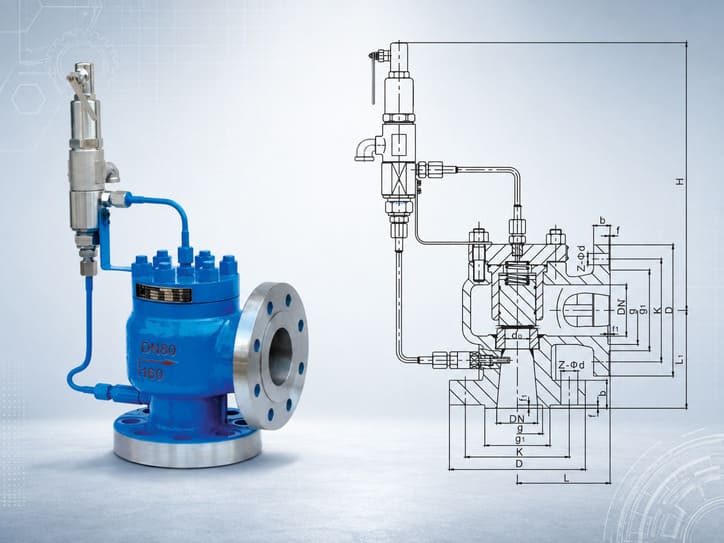
Pilot-operated assembly with a main valve, external pilot and connecting tubing.
How Pilot Operation Works
A pilot valve controls the sleeve-piston main valve.
The A46 design uses indirect pilot action to operate a sleeve-piston main valve. The pilot responds to system pressure, while the main valve provides the relieving flow path. Review the opening, reseating and control connections for the selected configuration and service conditions.
Main valve, pilot assembly and connecting tubing. Use the selected model drawing to confirm the control and sensing connections.
01
Sense pressure
The pilot receives pressure from the protected system through the defined sensing route.
02
Hold closed
During normal operation, the main valve stays closed until the specified opening condition is reached.
03
Pilot responds
At the specified set condition, the pilot acts to control the opening of the main valve.
04
Main valve opens
The sleeve-piston main valve opens and provides the pressure-relief flow path.
05
Reseat
As system pressure falls, the assembly returns to its closed condition. Confirm the selected valve’s reseating requirements.
System Architecture
Pilot, sensing path and main valve must be selected as one pressure-relief system.
Select the pilot, main valve and connecting lines as one assembly. The illustration shows a typical pilot arrangement; confirm the selected A46 circuit from its model drawing.
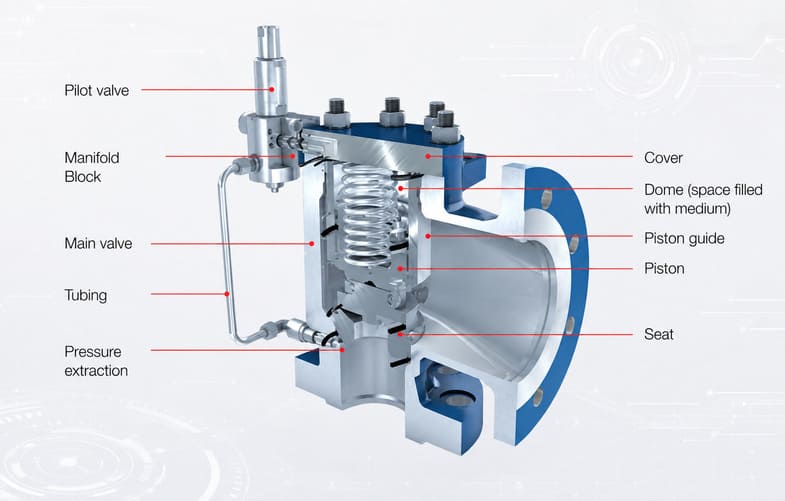
Pilot assembly
Responds to the system pressure and controls the action of the main valve.
Main valve
Uses a sleeve-piston arrangement to provide the main relieving flow path. Confirm capacity for the selected size and service.
Sense line
Carries the pressure signal. Source location, line loss, isolation and fouling risk are engineering inputs.
Pilot connections
Confirm the pilot tubing, control connections and their routing against the selected assembly drawing.
Seat & sealing surfaces
Main and pilot sealing performance must be verified against the project test requirement.
Inlet / outlet connections
A46 product pages list flanged connections and pressure-specific inlet/outlet sizes. Confirm the flange standard, facing and dimensions for the selected model.
A46 Models & Specifications
Choose your A46 pressure group.
Compare both A46 model groups by pressure rating and connection size. PN160 has a smaller listed size range than PN64/100. Open the relevant product page for its full specifications and dimensions.
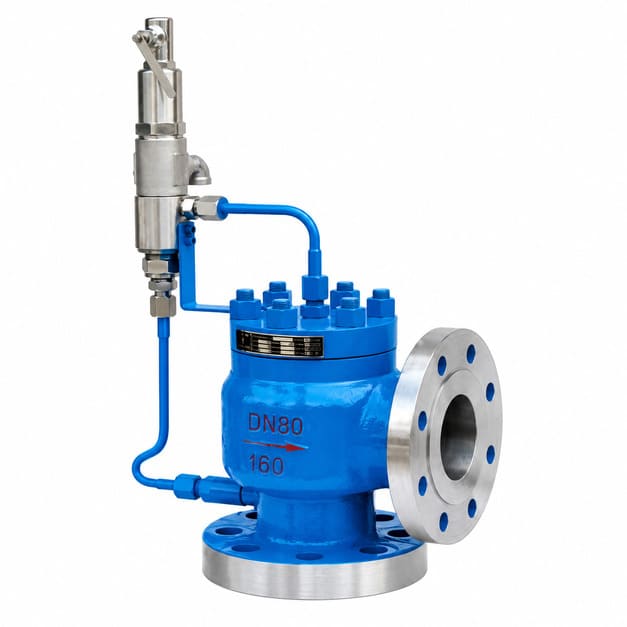
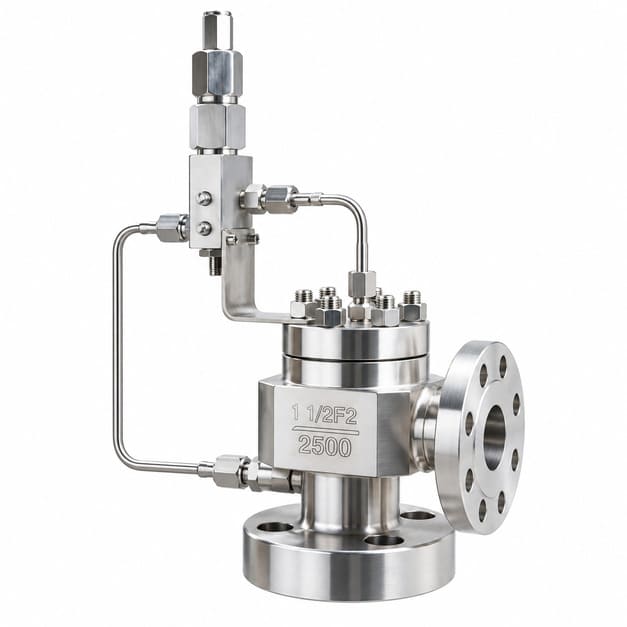
Reference images show the A46 valve family. Confirm the supplied configuration and dimensions for the selected pressure group.
A46 · PRESSURE GROUP 1
PN16 / 25 / 40
A46Y/F-16/25/40-C/P/R
- Pressure rating
- 1.6 / 2.5 / 4.0 MPa
- Inlet size
- DN25–200
- Outlet size
- DN32–250
A46 · PRESSURE GROUP 2
PN64 / 100 / 160
A46Y/F-64/100/160-C/P/R
- Pressure rating
- 6.4 / 10.0 / 16.0 MPa
- PN64 / 100
- Inlet DN25–200
Outlet DN32–250 - PN160
- Inlet DN25–100
Outlet DN50–150
PN denotes the pressure rating, not the set pressure. The temperature range is a family limit; confirm the selected materials and pressure–temperature rating for the operating duty.
Opening, Reseating & Backpressure
Review opening pressure, reseating and outlet conditions together.
Provide operating pressure, set pressure and the expected outlet pressure for the selected A46 valve. Review superimposed and built-up backpressure, their variation, and the pilot connections before confirming the configuration.
Set pressure
The pilot set condition is established for the selected service and applicable standard; operating margin is reviewed.
Opening
Pilot action controls the sleeve-piston main valve so that it can open and relieve the required load.
Reseating / blowdown
Closing behavior and blowdown are design-specific and must be taken from the approved model data/test basis.
Backpressure
Provide superimposed and built-up backpressure and their variation. Confirm the allowable limits for the selected A46 configuration.
Engineering Choice
Pilot-Operated vs Spring-Loaded: compare both architectures against the complete relief system.
Compare the actual relieving case, pressure margin, backpressure, fluid condition, maintenance needs and project requirements before choosing the valve architecture.
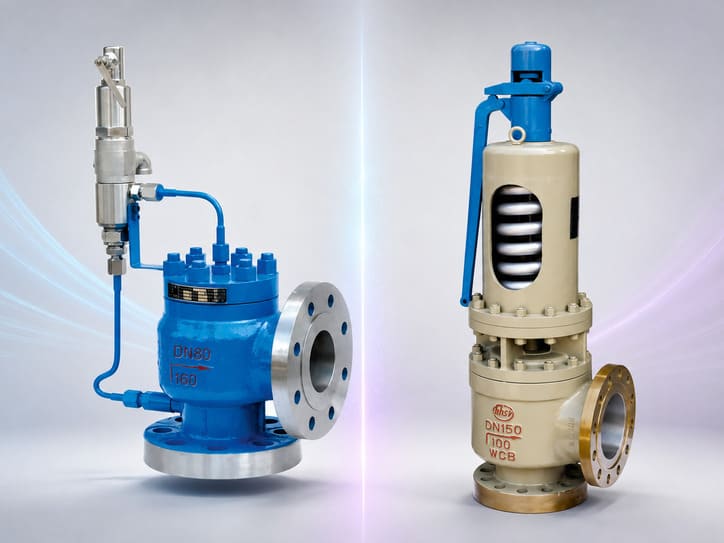
Pilot-Operated
Pressure-controlled main valve
Consider when the service and project benefit from pilot-controlled opening/reseating behavior. Confirm sensing, pilot exhaust, cleanliness, backpressure and maintenance requirements.
The current A46 range has PN16/25/40 and PN64/100/160 product groups. Use the selected group’s service limits and dimensions.
Spring-Loaded
Direct spring force on the disc
A direct spring-loaded valve uses spring force to oppose opening. Compare the selected model’s service range, backpressure limits and connection requirements with the relieving case.
Sizing & Selection
Required relieving area comes from the credible case and the applicable sizing method.
Define the credible relieving case and required capacity, then confirm the sizing method and selected A46 configuration. Provide the fluid properties, pressure and temperature conditions, backpressure and installation details needed for the calculation.
Relieving case & capacity
Required mass/volumetric flow plus the credible scenario used to establish it.
Medium & properties
Identify the gas or liquid and provide the fluid properties required by the selected sizing method.
Pressure basis
Operating pressure, set pressure, allowable overpressure/accumulation and pressure reference.
Temperature
Normal and relieving temperature; verify material/rating at the actual condition.
Backpressure
Superimposed + built-up, constant or variable, plus outlet-system assumptions.
Pilot / sensing arrangement
Sense location, line routing, exhaust arrangement, isolation requirements and contamination risk.
Materials, Connections & Dimensions
Match A46 materials and flange connections to the service conditions.
Confirm the selected A46 pressure group, body and wetted-part materials, inlet/outlet sizes and flange details. Use the product dimensional table for comparison and the approved drawing for the supplied configuration.
Material selection
Provide the fluid composition, corrosion conditions, minimum and maximum temperatures, and any material identification requirements. Confirm the selected materials in the bill of materials.
Connection selection
Both A46 product groups list flanged connections. Match the inlet and outlet dimensions, flange standard, facing and pressure rating to the mating pipework.
GA / dimensional drawing
Use the approved drawing for face-to-face/centerline dimensions, overall height, pilot/sense-line orientation, weights and installation clearances.
Standards & Certification
Confirm the design basis, test requirements and certification scope.
Specify the standards and certification required for the project. Confirm their applicability to the selected A46 model, pressure group, materials and supplied configuration in the quotation and supporting documents.
Design & construction
Identify the applicable design and construction requirements for the selected valve and service.
Flanges & dimensions
Confirm the flange standard, pressure rating, facing and connection dimensions on the approved model drawing.
Sizing & selection
State the sizing method, relieving case, fluid properties and correction factors used to select the valve.
Leakage testing
Agree the test method, test medium and acceptance criteria for the supplied assembly.
Certificates & marking
Check that any required authorization or certificate covers the supplier, manufacturing location and selected product configuration.
Project / owner requirements
Material, inspection, documentation and deviation requirements are contractual inputs in addition to product standards.
Designed to
The stated code or standard forms the design, sizing or dimensional basis for the selected valve.
Tested in accordance with
The supplied valve is tested using the stated method and acceptance criteria for the agreed scope.
Certified to
Use only when the actual legal entity, factory, model, range and marking are within the current authorization/certificate scope.
Inspection & Performance Testing
A pilot-operated valve must be verified as a complete control-and-relief assembly.
The actual test sequence, witness points and acceptance limits are defined by the selected product, code and contract. Third-party witnessing can be added where specified.
Pressure boundary
Shell/body integrity test at the specified procedure and acceptance criteria.
Pilot set function
Verify pilot set behavior against the approved test procedure and configuration.
Main-valve opening
Confirm main-valve response and the required test points for the selected design.
Reseating / blowdown
Record closing behavior where required by the applicable standard/project test plan.
Seat leakage
Check seat leakage using the test method and acceptance criteria agreed for the supplied configuration.
Control-path integrity
Inspect pilot tubing, sensing path, fittings and required leak/functional checks before release.
Configuration Check
Check the valve configuration and connections before shipment.
Compare the ordered pilot assembly, tubing, inlet/outlet arrangement and dimensions with the approved drawing. Before shipment, also check the supplied valve’s nameplate, tagging and inspection records against the order.
Dimensions & Technical Documentation
Receive the selected valve with the drawings, calculations and records needed for approval.
Start with the connection dimension table on the relevant A46 product page. Agree the datasheet, sizing calculation, approved drawing and inspection records required for the order.
Valve datasheet
Selected A46 model and pressure group, service conditions, set pressure, materials and required options.
Sizing calculation
Relieving-case inputs, assumptions, correction factors and selected area/capacity basis.
GA drawing
Inlet/outlet dimensions, overall envelope, pilot/sense-line arrangement and installation interfaces.
Material records
MTC and specified PMI/NDT/heat-lot traceability for the agreed scope.
Test reports
Pressure-boundary, set/function, reseating/blowdown and leakage records as applicable.
Certificate matrix
Lists the certificates or authorizations required for the supplied configuration and confirms their applicable scope.
QAP / ITP
Inspection stages, hold/witness points and third-party requirements where contractually required.
Final dossier
Controlled document index, approved revisions, certificates and shipment-release records.
Typical Application Routes
Start with the Application—Confirm Suitability through Engineering Review.
A46 products are listed for overpressure protection of pressure equipment, vessels and pipelines in petroleum and natural gas, chemical, power and related industries. Confirm the fluid, capacity, pressure-temperature conditions, materials and outlet arrangement for each application.
Pressure vessels & process equipment
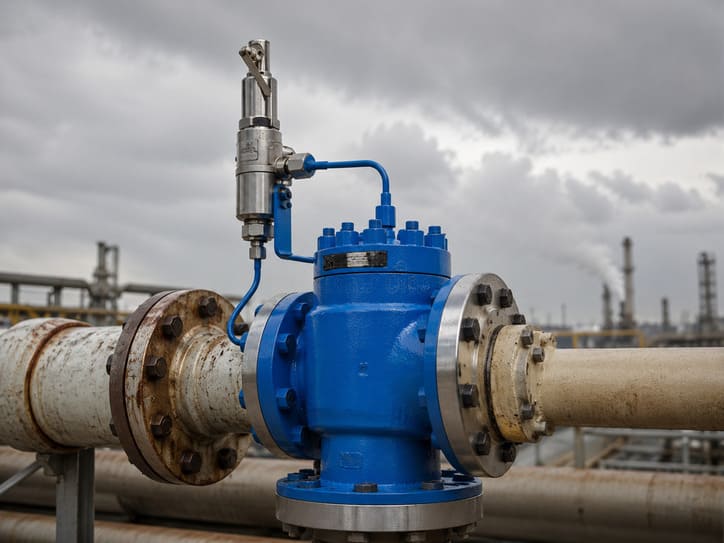
Gas or liquid pressure-relief duties, subject to the selected A46 rating, materials and required capacity.
Refining & petrochemical
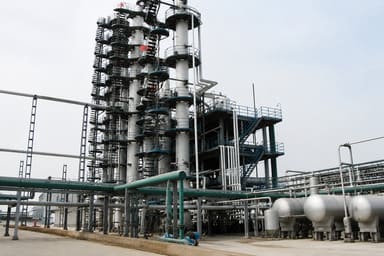
Candidate applications where operating margin, backpressure and engineering documentation require careful review.
Gas processing & compression
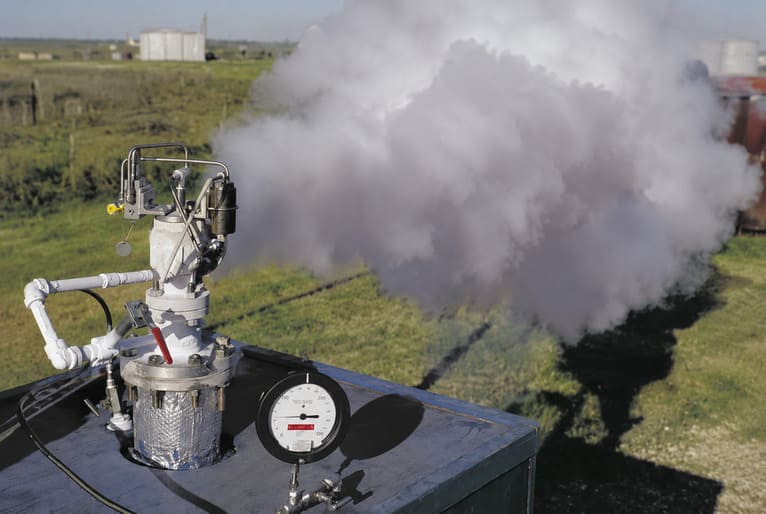
Pilot-operated architecture may be evaluated for gas systems after sensing, cleanliness and discharge conditions are defined.
Low-temperature service
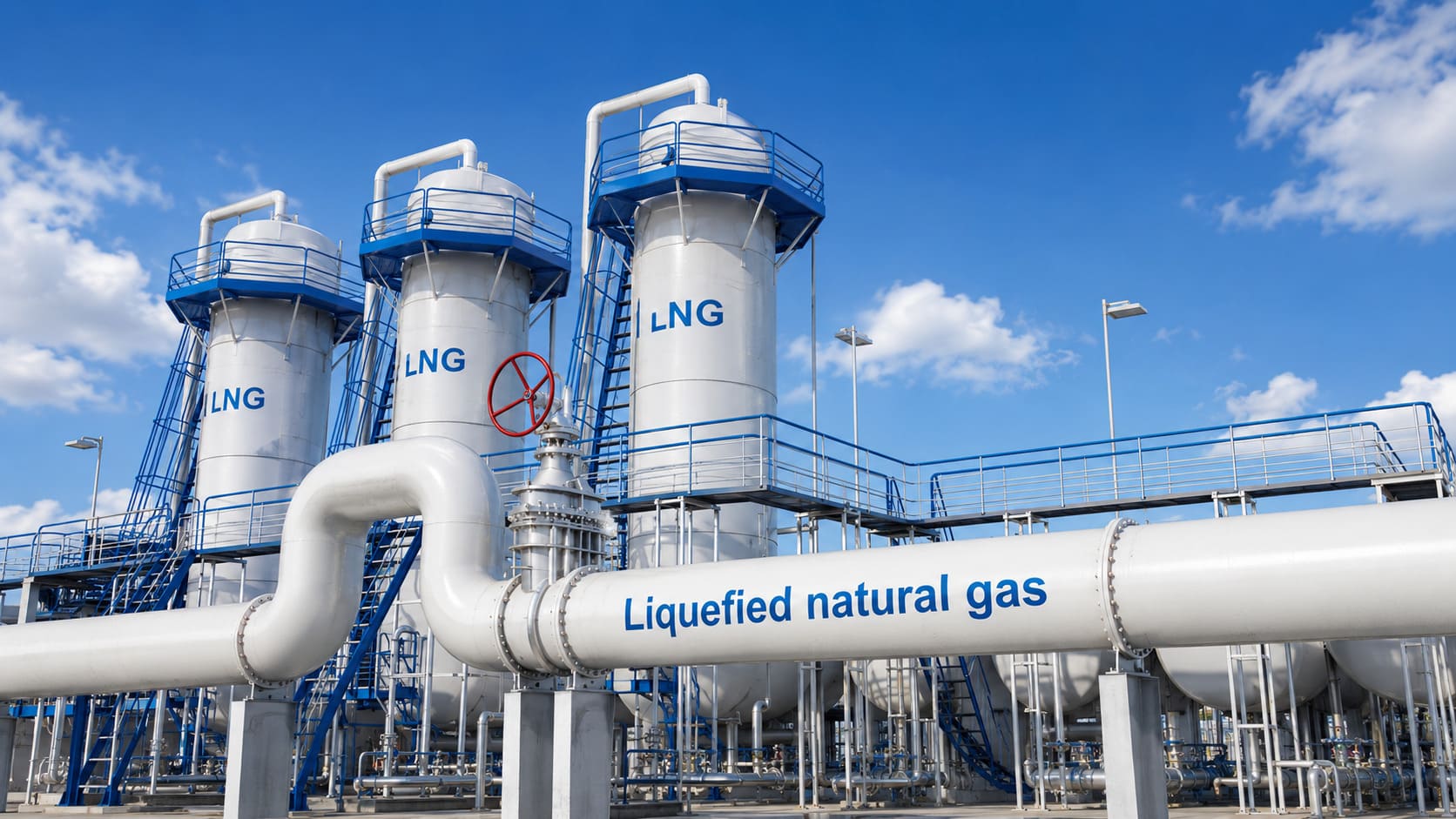
The listed A46 temperature range reaches −196°C. Confirm the actual material configuration and pressure-temperature rating before selecting low-temperature service.
OEM / packaged equipment
Repeat supply can standardize approved sizing basis, GA, BOM and document package for recurring equipment builds.
Liquid pressure relief
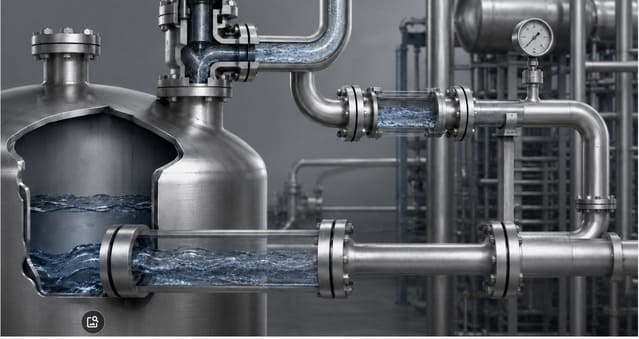
A46 is listed for liquid service. Provide viscosity, required flow, operating conditions and outlet pressure for the selection review.
Project & Delivery Requirements
Define the valve scope and the documents needed for your project.
Provide the application, service conditions, selected pressure group, quantity and delivery requirements. Agree the inspection scope and document package before the order is released.
Application & country
State the equipment application, installation location and project requirements.
Service conditions
Medium, set pressure, temperature, backpressure and relieving basis that drove selection.
Supply & testing
Selected A46 model, pressure group, quantity, materials, inspection and witness requirements.
Delivery documents
Agree the drawings, calculations, material records, test reports and delivery schedule required for the order.
FAQ
Pilot-operated selection questions
Compare the current A46 product groups and prepare the service information needed for selection.
How does A46 differ from a direct spring-loaded safety valve?
A46 uses a pilot to control a sleeve-piston main valve. A direct spring-loaded valve uses spring force to oppose opening. Select the architecture using the fluid, relieving case, operating pressure, backpressure and installation requirements.
Which A46 models are available?
The current products are A46Y/F-16/25/40-C/P/R and A46Y/F-64/100/160-C/P/R. Both are listed for gas and liquid service, flanged connections and a temperature range of −196 to 200°C. Confirm the selected materials and pressure-temperature rating for the actual duty.
Do all A46 pressure groups have the same size range?
PN16/25/40 and PN64/100 list inlet DN25–200 and outlet DN32–250. PN160 lists inlet DN25–100 and outlet DN50–150. Use the dimension table for the chosen pressure group and inlet/outlet combination.
How much backpressure can A46 tolerate?
The current product information does not give a single allowable-backpressure percentage. Provide superimposed and built-up backpressure, their variation and the pilot connection arrangement so the selected configuration can be checked.
Can I select A46 from pipe size and PN rating alone?
Required relieving capacity and service conditions determine the selection. PN identifies the pressure rating; it is not the set pressure. Confirm capacity, operating and set pressure, temperature, backpressure and the inlet/outlet arrangement together.
How are standards and certificates confirmed?
State the project’s required design, sizing, testing and certification basis. Confirm the applicable standards and certificate scope for the exact model and supplied configuration. A test report and a product certificate serve different purposes.
What should I send for a quotation?
Send the medium, required capacity, operating and set pressure, temperature, backpressure, connections, material requirements, quantity and delivery target. Include the RFQ, datasheet, drawing or existing valve nameplate when available, plus inspection and documentation requirements.
Related Safety Valve Families
Compare the protection duty before choosing a valve family.
Spring-Loaded Safety Relief Valves
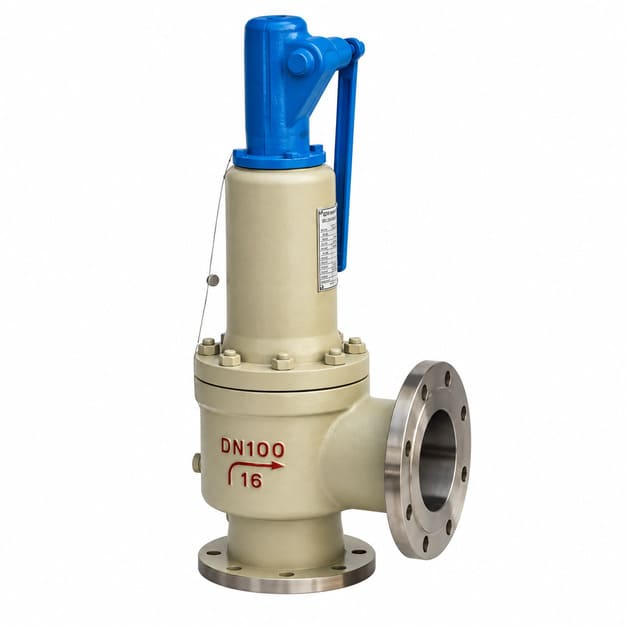
Direct spring-loaded safety valves for pressure-relief duties. Compare the selected model’s medium, operating range and connections.
Safety Reflux Valves
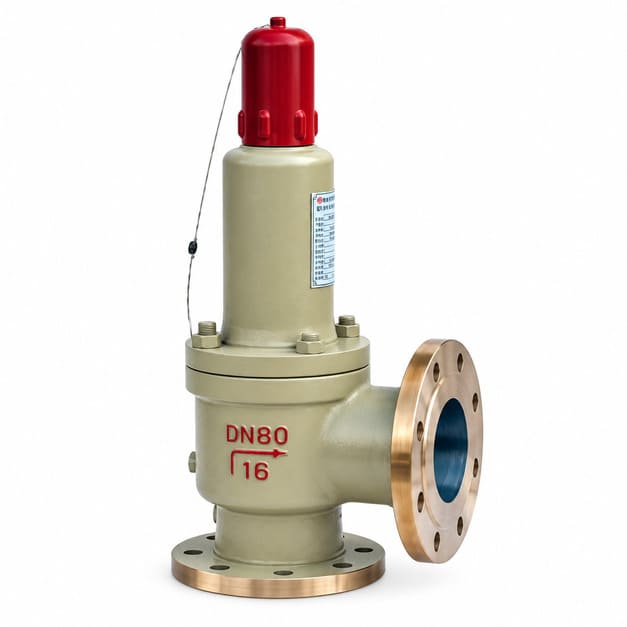
AH42F and AHN42F-P18 valves for overpressure relief in liquid-phase return lines at LPG station pump outlets.
Impulse & Main Safety Valve Systems
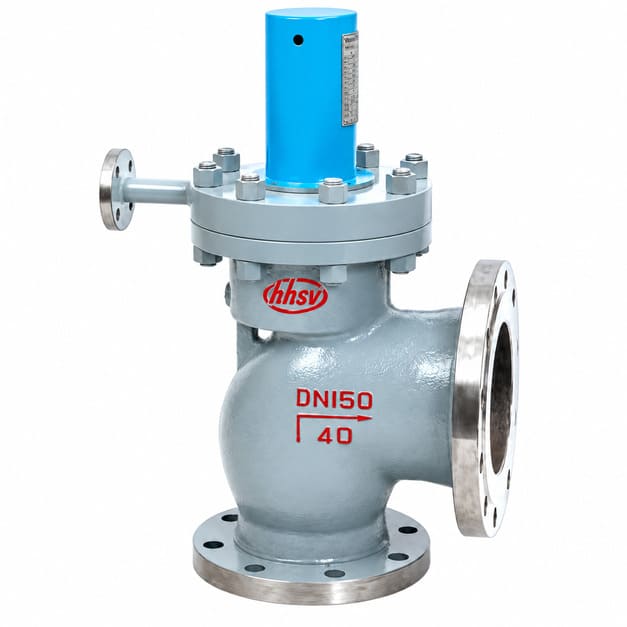
A49H-40 main and GA49H-4.0 DN25 impulse safety valves for their specified steam-system duties.
All Safety Valves
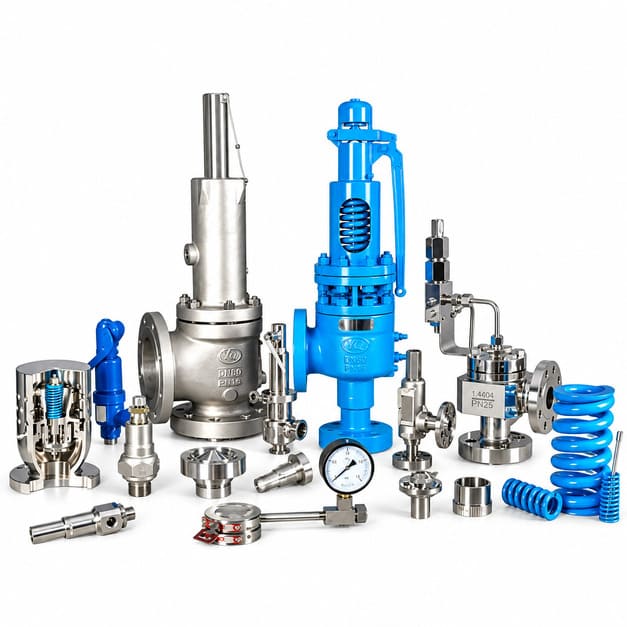
Return to the product-family map and compare selection routes.
Request a Quote
Send your service conditions for A46 selection and quotation.
Provide medium, required capacity, operating/set pressure, temperature, backpressure, connections, materials, standards/certification, quantity, inspection, documentation, delivery target and available RFQ/datasheet files.