Start with the service. Then select the relief architecture.
Industry alone does not select a safety valve. Medium, required capacity, set pressure, temperature, backpressure, materials, applicable standards and certification determine the final configuration.
Choose the service environment first.
Use these six application groups as an entry point. The engineering inputs below determine the final valve family and configuration.
Refining & Petrochemical
Process units, hydrocarbons, backpressure and project documentation.
Chemical Processing
Corrosive/toxic media, material compatibility and leakage control.
Power & Industrial Boilers
Steam capacity, high temperature, set pressure and code scope.
Oil, Gas, LNG & LPG
High pressure, gas service, cryogenic duties and package integration.
OEM Equipment & Skids
Repeatable sizing, dimensions, BOM, batch supply and documents.
Special Service
High/low temperature, vacuum, jacketed, clean and difficult service.
Application → service conditions → product family → engineering → RFQ
Compare application risks, service conditions and suitable product families, then submit your operating data for model selection, sizing and compliance review.
Application
Identify equipment and credible relief case.
Conditions
Medium, capacity, pressures, temperature and backpressure.
Product family
Match the protection architecture and configuration.
Engineering
Perform sizing, material and compliance review.
RFQ
Issue datasheet, calculation, scope and quotation.
Refining & Petrochemical
Pressure relief selection must account for hydrocarbon service, process variability, backpressure, leakage expectations and project-document requirements.
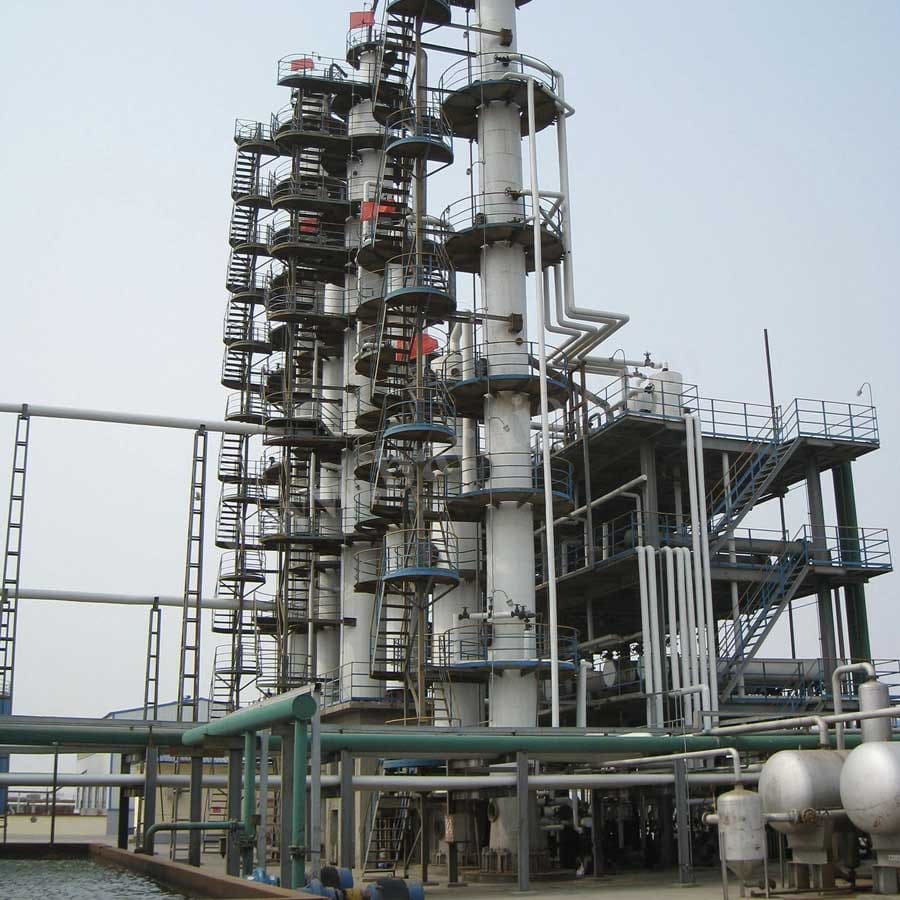
Pressure vessels, separators, columns, reactors, heat exchangers, piping and compressor-related systems.
Hydrocarbon gas/vapor/liquid, steam and process media; operating pressure, temperature and backpressure vary by unit.
Required capacity, operating-to-set pressure ratio, outlet backpressure, material compatibility, seat tightness and installation arrangement.
Spring-Loaded, balanced-bellows configurations, Pilot-Operated and protection-system combinations – only where service data supports the choice.
Chemical Processing
Chemical service adds material-compatibility, toxic/corrosive-medium, cleanliness and process-specific leakage requirements to normal sizing work.

Reactors, pressure vessels, process tanks, heat exchangers, piping and packaged chemical systems.
Gas, vapor, liquid, corrosive or toxic media; temperature and pressure may require special body, trim, sealing or jacket arrangements.
Material compatibility, corrosion allowance, seat leakage, discharge destination, backpressure, fouling risk and maintenance access.
Spring-Loaded or Pilot-Operated relief, special-service configurations, Vacuum & Breather products or system combinations according to the actual duty.
Power & Industrial Boilers
Steam relief depends on required capacity, set pressure, temperature, blowdown/reseating behavior and the applicable boiler or pressure-vessel code boundary.
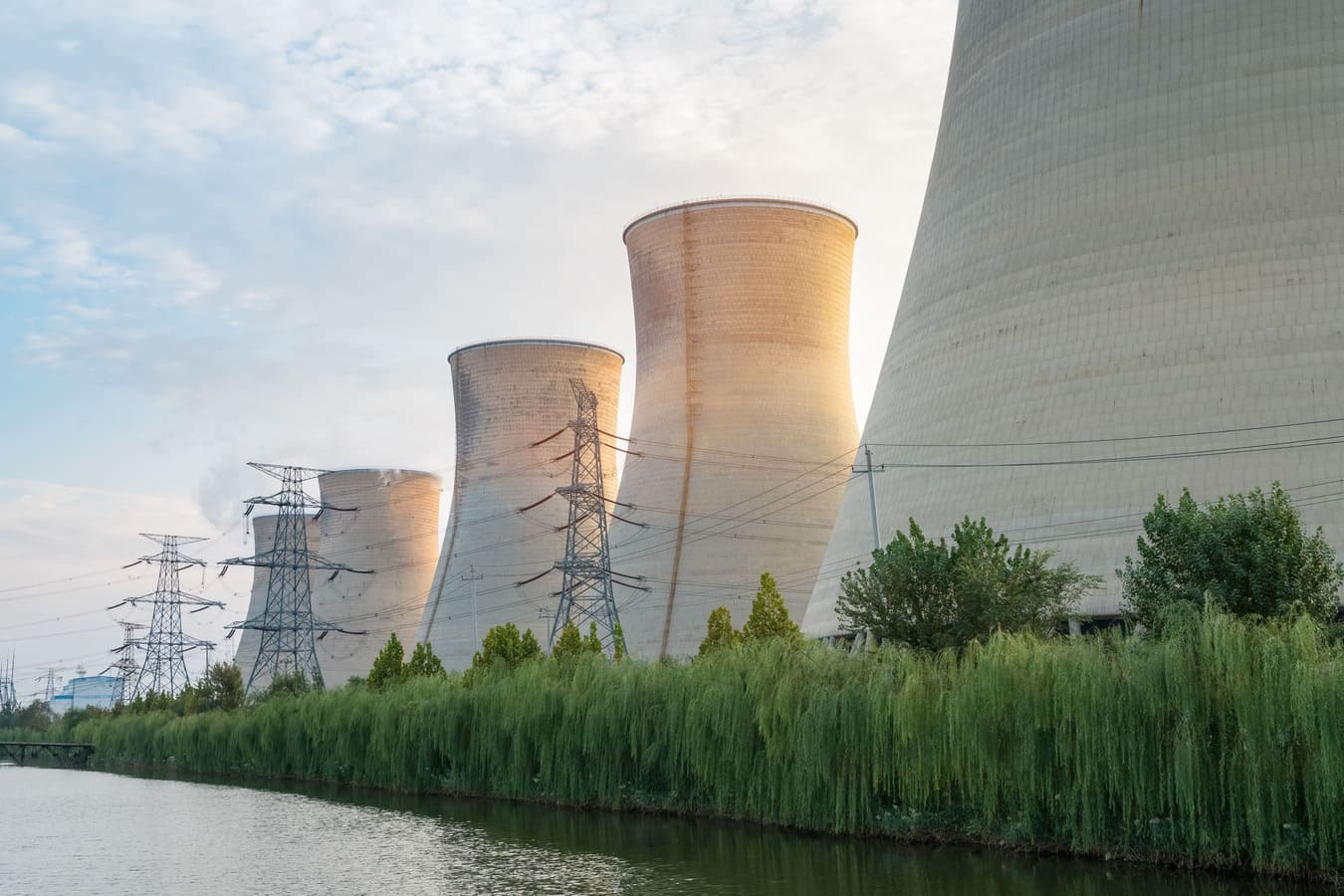
Industrial boilers, steam systems, pressure vessels, superheated-steam piping and large-capacity thermal equipment.
Steam and high-temperature gas; duties may involve high temperature, high pressure or large discharge demand.
Certified capacity basis, set pressure, temperature, blowdown, installation, discharge arrangement and correct code/certificate scope.
Spring-Loaded products and Impulse & Main Safety Valve Systems may be considered according to capacity, pressure and system architecture.
Compliance note: ASME UV authorization must not be presented as ASME V / Section I certification. Confirm the exact required mark and current scope for each project.
Oil, Gas, LNG & LPG
Gas systems can combine high pressure, high operating ratio, cryogenic temperature, backpressure, tightness and compact package requirements.
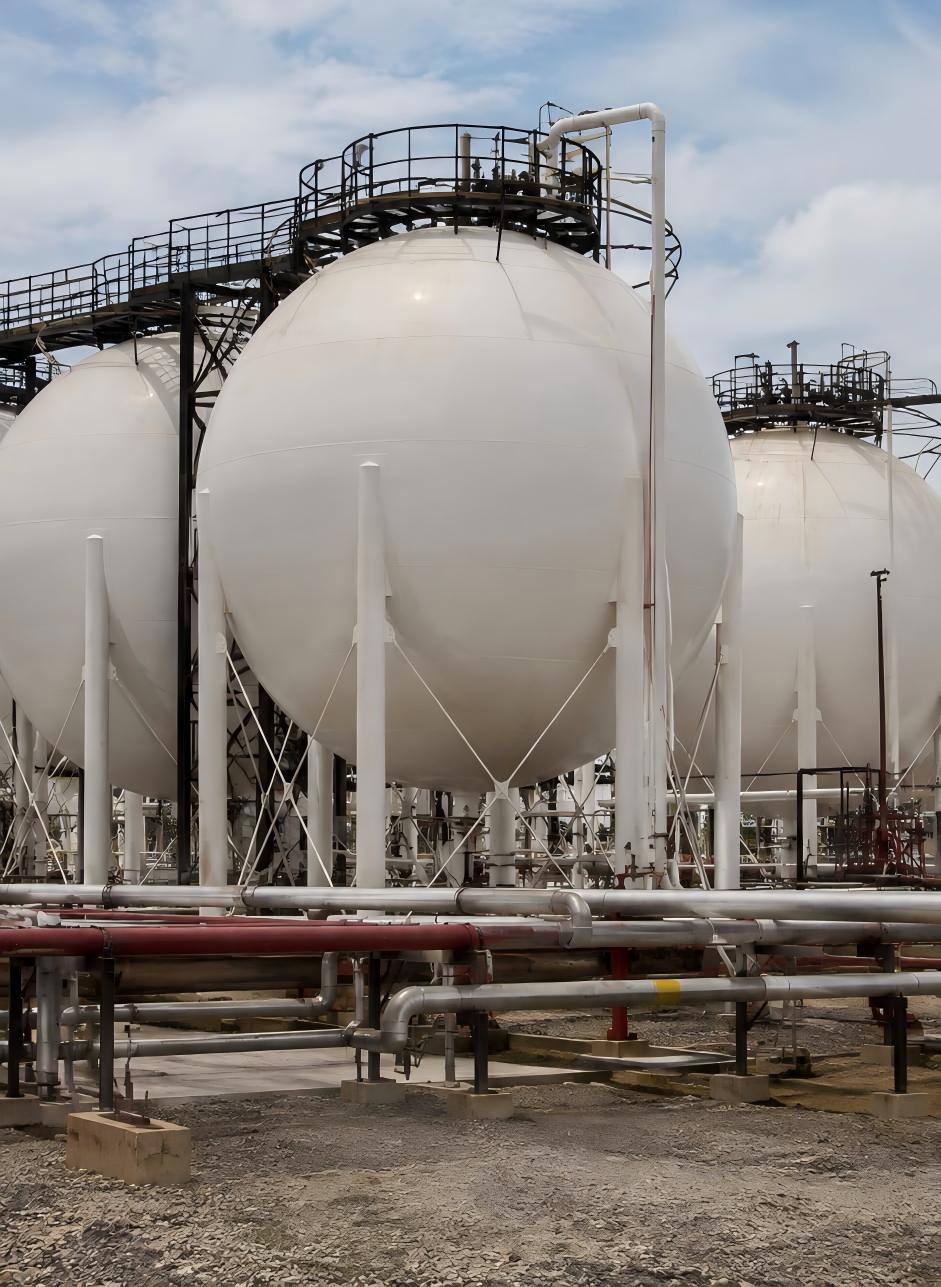
Separators, compressor packages, LNG/LPG skids, storage/pressure equipment, gas piping and packaged process systems.
Natural gas, process gas, LPG and cryogenic services; actual fluid properties and phase behavior are required for sizing.
Pressure ratio, required capacity, cryogenic material suitability, gas tightness, backpressure, connection, inspection and delivery schedule.
Pilot-Operated, Spring-Loaded/balanced configurations, Vacuum & Breather or Back-Flow products where the actual system function requires them.
OEM Equipment & Process Skids
OEM work requires the selected safety valve to remain repeatable across drawings, BOMs, batches and future call-off orders.
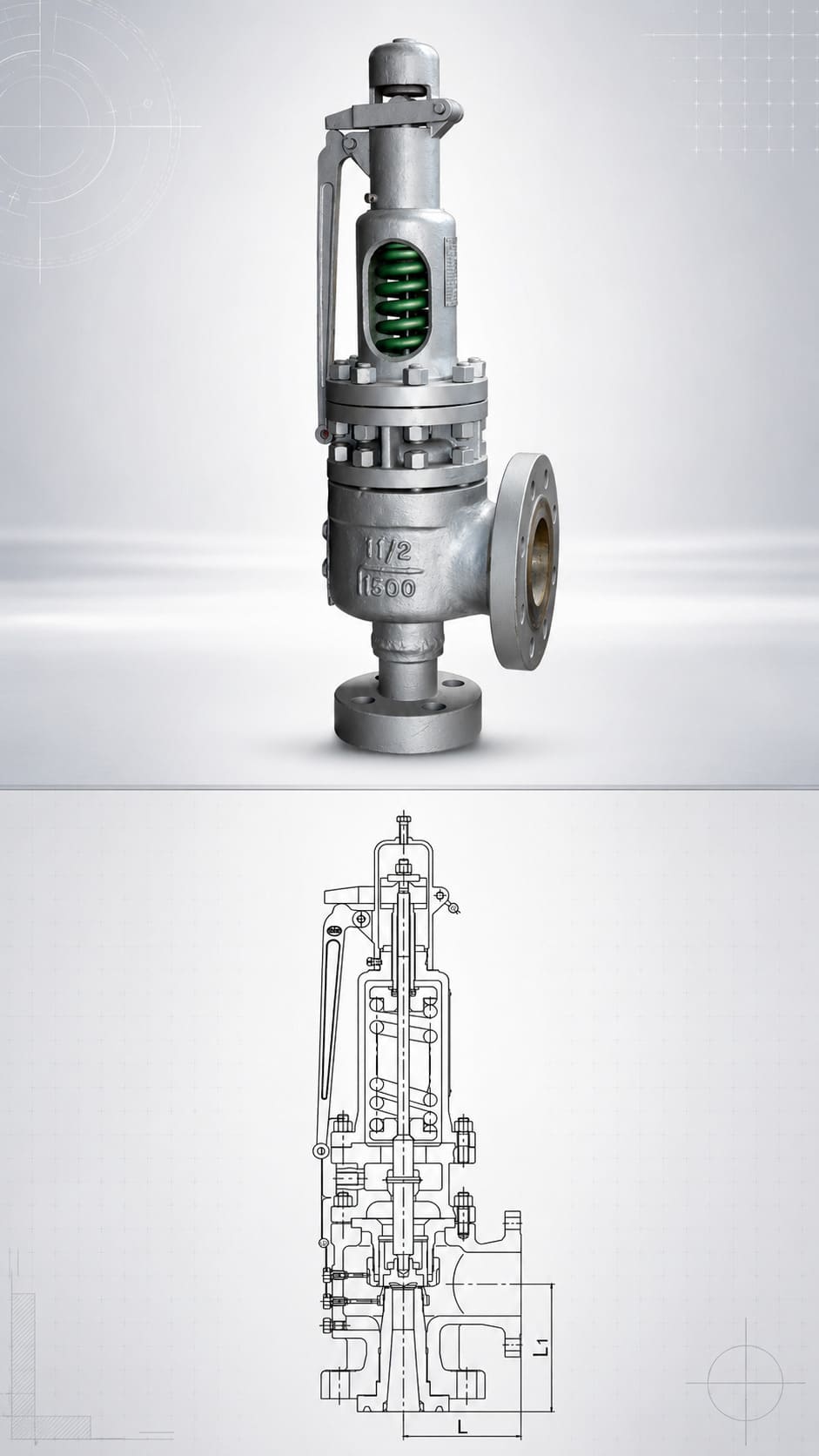
Boilers, pressure vessels, compressor packages, tanks, packaged process skids and repeat-production equipment.
Prototype or first-batch approval followed by repeat orders, fixed drawings, approved BOM and controlled configuration changes.
Sizing, envelope dimensions, connection, material, repeatable configuration, traceability, documents and production schedule.
Any HHSV family may be evaluated according to the equipment service; selection should not be driven by OEM category alone.
Special Service
Some duties are defined more by operating extremes than by industry. These require configuration-level review rather than a generic ‘special valve’ claim.
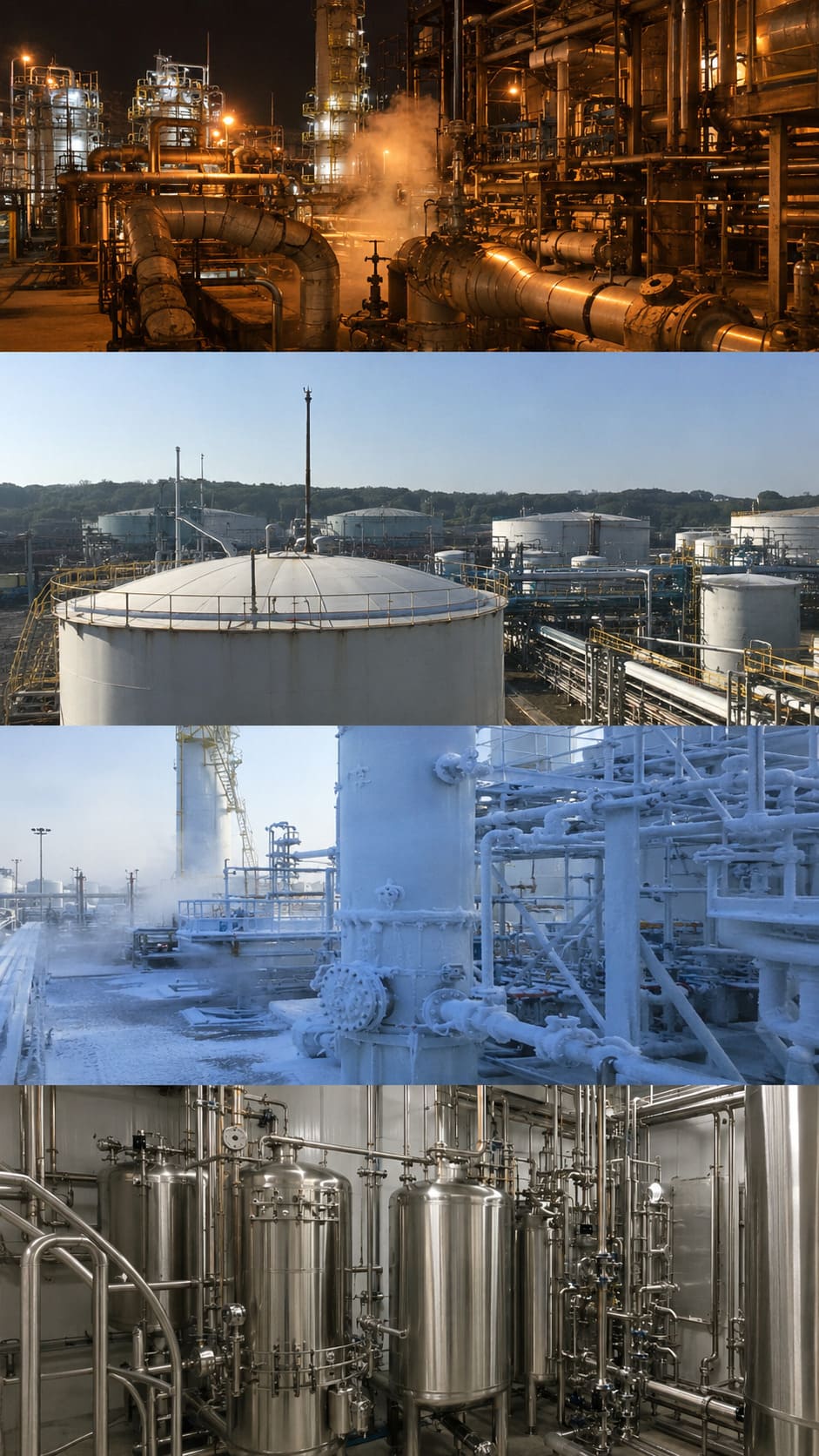
Review pressure boundary, spring or pilot architecture, temperature effects, materials, discharge and testing.
Confirm minimum design temperature, material traceability, sealing, test requirements and installation details.
Negative-pressure protection and tank inbreathing/outbreathing are different functions from positive-pressure safety relief.
Review material compatibility, isolation, heating/cooling, cleanliness, leakage and maintenance requirements case by case.
Eight inputs drive the selection more than the industry label.
Gas, steam, liquid, mixed phase or special process medium.
Mass or volumetric relief requirement and calculation basis.
Operating pressure, set pressure, accumulation/overpressure and relieving pressure.
Operating and relieving temperature, including cryogenic or high-temperature limits.
Constant or variable superimposed and built-up backpressure at the outlet.
Body, trim, bellows/seals and compatibility with the process medium.
Inlet/outlet size, rating, flange/thread/weld form and dimensional restrictions.
Applicable standard, required certification, inspection and documentation scope.
Use the application to narrow the family - not to skip sizing.
Each application route leads to a model-specific engineering review based on the actual medium, capacity, pressure, temperature, backpressure, materials and required standards.
Spring-Loaded
Direct spring-loaded relief; includes conventional and balanced-bellows configurations for appropriate services.
Pilot-Operated
Pilot-controlled relief for duties where its operating characteristics suit the pressure system.
Back-Flow
For defined return-flow protection functions; not a synonym for balanced-bellows backpressure compensation.
Impulse & Main
Impulse-triggered main-valve systems for applicable high-capacity steam/pressure duties.
Vacuum & Breather
Negative-pressure protection and equipment/tank breathing functions.
Accessories & Combinations
Crossover devices and combined protection architectures used with suitable safety valves.
A usable application solution also has to pass technical review.
Sizing & standards
Use API 520, ISO 4126 or other applicable project/design requirements only where they apply to the selected valve and calculation.
Testing
Define shell, set-pressure, reseating and seat-leakage requirements such as API 527 where applicable to the ordered configuration.
Certification
Separate Designed to, Tested in accordance with and Certified to. Confirm certificate scope and document index before approval.
Turn the application into a valve selection.
Send the medium, required capacity, pressures, temperature, backpressure, connections, materials, standards and quantity. HHSV can prepare the sizing basis and technical quotation.