Select for the process conditions. Control leakage, backpressure and material risk.
Safety-valve reliability in process plants depends on the relief case, operating margin, required capacity, outlet conditions and material compatibility—not the industry label alone.
Start with the failure mode the plant cannot tolerate.
Seat leakage
Review medium, set/operating pressure relationship, seat design and the applicable leakage-test requirement.
Corrosion & toxic media
Match body/trim/seal materials to the actual process medium, concentration, temperature and project material specification.
Backpressure
Evaluate superimposed and built-up backpressure before deciding whether a conventional, balanced-bellows or other architecture is appropriate.
Simmer & chatter
Review operating margin, sizing, backpressure, inlet/outlet system behavior and valve configuration instead of treating instability as one isolated cause.
Shutdown loss
Define inspection, spares, replacement identification and document access before an outage turns a valve problem into a schedule problem.
Replacement & repeat supply
Use existing nameplate/data, actual current service conditions and controlled order records to avoid blind like-for-like replacement.
Seven inputs drive the engineering decision.
Exact product limits must be checked by series; these inputs define the sizing and configuration basis.
Medium
Gas, steam, liquid or corrosive/toxic service plus relevant fluid properties.
Required capacity
Credible relieving case and required mass/volumetric load.
Operating pressure
Normal and expected maximum operating pressure relative to set pressure.
Set pressure
Required opening basis and applicable protected-equipment limit.
Temperature
Operating and relieving temperature affecting materials and configuration.
Backpressure
Constant/variable outlet pressure and expected built-up backpressure during discharge.
Material compatibility
Body, trim, bellows and sealing materials against medium, temperature and project requirements.
Match the valve architecture to the actual duty.
HHSV evaluates conventional, balanced-bellows and pilot-operated options against the actual medium, capacity, operating margin and backpressure conditions.
Conventional spring-loaded
A direct spring-loaded starting point where service conditions, backpressure and operating margin fall within the selected series/configuration capability.
Balanced bellows configuration
A spring-loaded configuration used where reducing the influence of outlet backpressure is required. It is not the same product function as a Back-Flow Safety Valve.
Pilot-operated
Evaluated where the service conditions and operating requirements support a pilot-operated architecture; actual limits must be verified by model.
Treat verification records as part of the supplied valve.
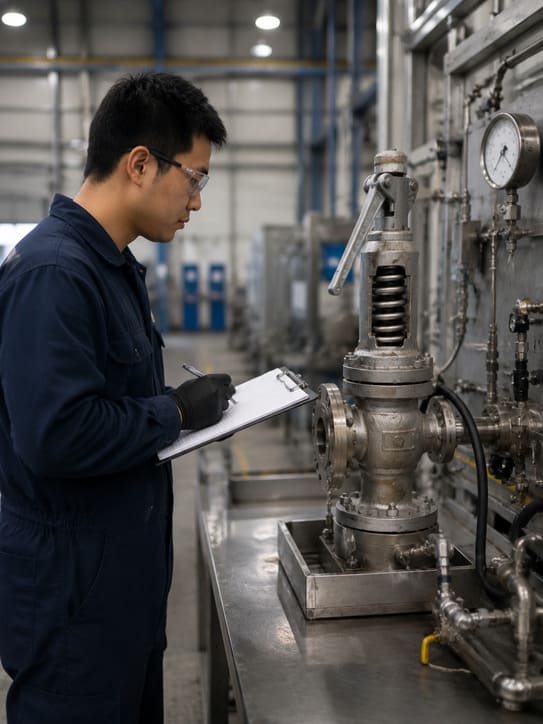
Seat-leakage testing
Seat-leakage testing can be performed in accordance with API 527 where applicable to the supplied product/order; test basis and acceptance criteria must match the actual scope.
Material traceability
Applicable MTC, heat/serial identification, PMI/NDT or other material records are controlled according to the product and order requirements.
Technical documentation
Datasheets, calculations, drawings, certificates and test records are supplied only to the documented scope agreed for the order.
Spares & troubleshooting
Use operating symptoms, valve identification and service conditions to review leakage, simmer/chatter, corrosion or replacement requirements before changing parts or configuration.
From Existing Valve Data to a Verified Replacement
Identify
Capture manufacturer/model, size, set pressure, materials, connections and nameplate information from the existing valve.
Verify service
Confirm current medium, required capacity, pressures, temperature, backpressure and process changes.
Size & select
Check required area/capacity and choose a configuration compatible with the service and applicable standard.
Test & document
Define required inspection, seat-leakage/performance testing and final technical records.
Spare / repeat
Record the approved supplied configuration for replacement, spares and future MRO enquiries.
Project records tied to the actual service duty.
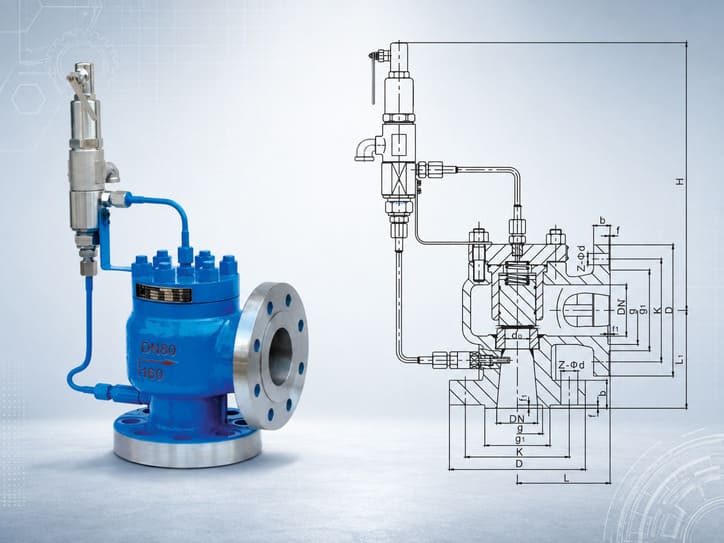
Pilot-Operated Safety Valves
Volume supply for high-pressure gas pipeline overpressure protection. Selection priorities included precise set-pressure behavior, stable discharge, small blowdown and seat tightness.
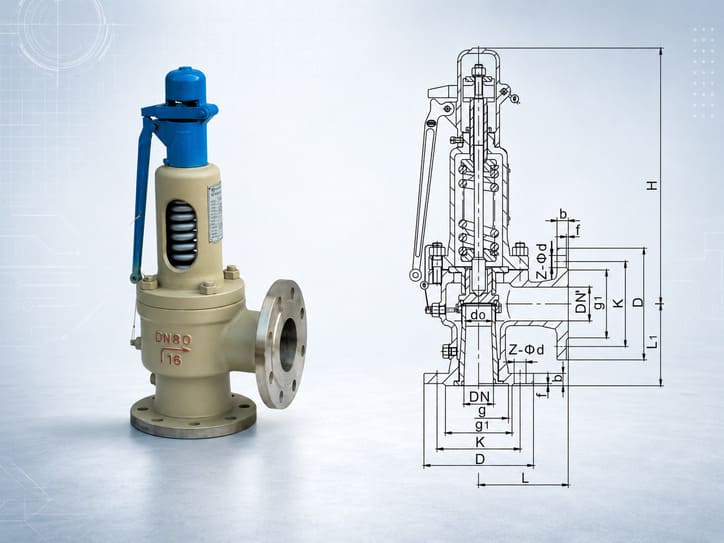
Low-Lift Safety Valves
Supply for a refinery liquid/incompressible-medium system where controlled lift, repeatable set pressure and maintainability were relevant to the duty.
Apply every claim at the actual product scope.
API/ASME/ISO or other standards, material grades and certification marks must be confirmed against the selected model, service conditions, legal certificate holder and actual authorization scope. “Designed in accordance with,” “tested in accordance with” and “certified to” are not interchangeable statements.
Applications
Review refinery, chemical and special-service selection context.
Projects
Review current project records without extending one project’s parameters to another.
Quality & Testing
Review traceability, inspection and performance-testing controls.
Safety Valves
Review product families and then verify the actual series-level scope.
Send the process conditions—not just the valve description.
Include medium, required capacity, operating/set pressures, temperature, backpressure, materials, connections, quantity, applicable standards and any existing valve data or nameplate photos.